
Chabad.org
“Second Passover”
The fourteenth day of the month of Iyar is Pesach Sheini, the “Second Passover.” When the Holy Temple stood in Jerusalem, this day served as a “second chance” for those who were unable to bring the Passover offering on the eve of the “first” Passover one month earlier, the 14th of Nissan.
“There were, however, certain persons who had become ritually impure through contact with a dead body, and could not, therefore, prepare the Passover offering on that day. They approached Moses and Aaron … and they said: ‘…Why should we be deprived, and not be able to present G-d’s offering in its time, amongst the children of Israel?'” (Numbers 9).
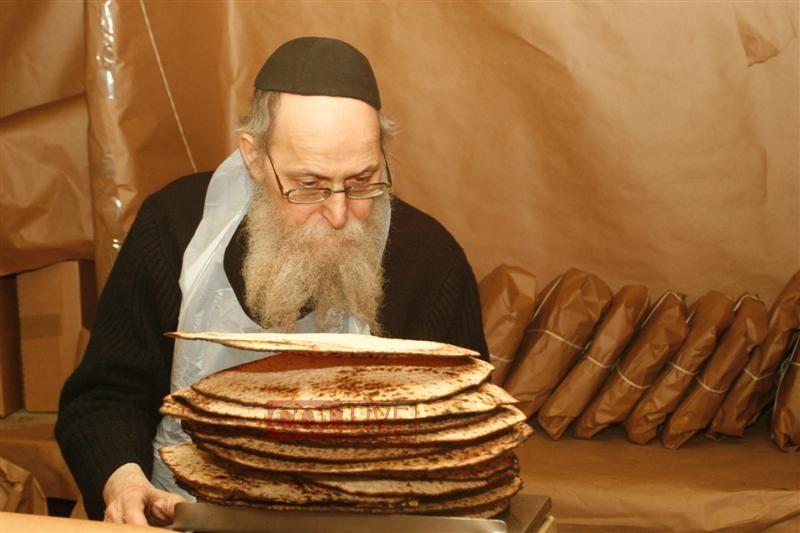
Today, we mark and commemorate the date by eating matzah (in the same way that we eat the afikoman-matzah at the Passover seder in remembrence of the Passover offering).
The Power of Return
The eternal significance of the Second Passover, says the sixth Lubavitcher Rebbe, Rabbi Yosef Yitzchak Schneersohn (1880-1950), is that it is never too late to rectify a past failing. Even if a person has failed to fulfill a certain aspect of his or her mission in life because s/he has been “contaminated by death” (i.e., in a state of disconnection from the divine source of life) or “on a distant road” from his people and G-d, there is always a Second Passover in which s/he can make good on what s/he has missed out.
The Second Passover thus represents the power of teshuvah — the power of return. Teshuvah is commonly translated as repentance, but it is much more than turning a new leaf and achieving forgiveness for past sins. It is the power to go back in time and redefine the past.

no we don’t say tachanun
Do we say tachanun today?