
By COLlive reporter
Prominent British Rabbi Yitzchak Schochet has responded to his community’s overwhelming number of bereavements in the past 6 weeks due to the Covid-19 pandemic.
There have been 372 Jewish deaths from coronavirus according to the Board of Deputies of British Jews. Jewish people make up 0.4% of the general population according to the UK Census 2011. Yet their percentage of all Covid deaths in the UK is at figure 3 times that, at 1.24% of all deaths.
Addressing the disproportionate number of losses in the wider Anglo-Jewry, Rabbi Schochet told Channel 5 he had little doubt this was because there was no social distancing guidelines from the government over the holiday of Purim.
“Social distancing was not a guideline in any way shape or form,” Rabbi Schochet said in the interview. “I am fairly confident to say that as a result of which, lives have been lost.”
A day before Purim, UK’s Chief Scientific adviser Sir Patrick Vallance said “we have very lost numbers in this country” and that it was safe to go to houses of worship and even pubs.
Rabbi Schochet’s Mill Hill United Synagogue has lost more than a dozen members to the virus and another twenty members lost loved ones. Rabbi Schochet has been making a steady stream of videos for his community to offer them comfort at this difficult time.
Having previously made a short video entitled “In G-d’s Embrace No One Dies Alone,” which featured on COLlive.com, Rabbi Schochet released a new video entitled, “Navigating Loss.”
“For me, the important challenge right now is keeping the community engaged while offering solace to the vast number who mourn,” he told COLlive.com.
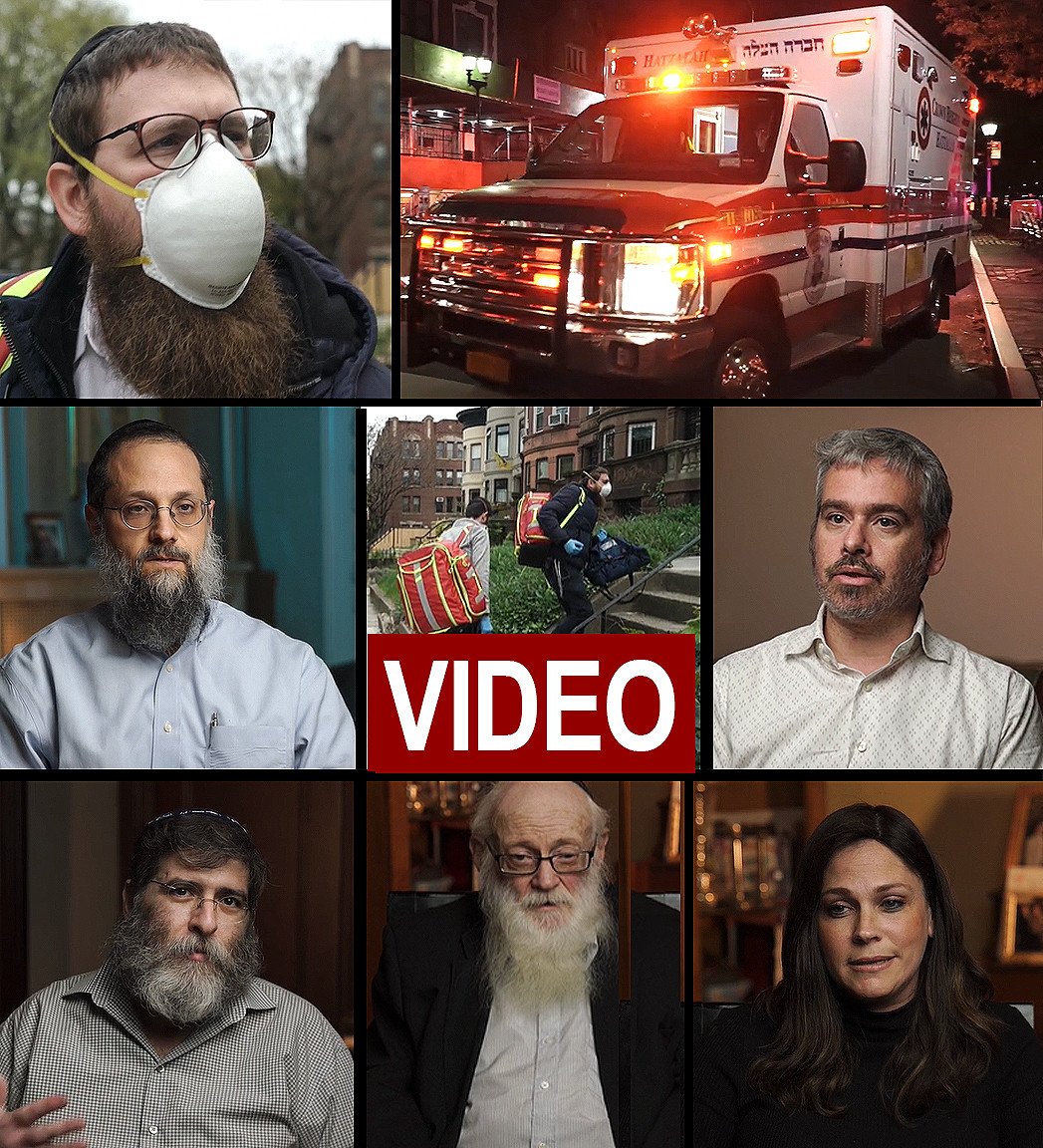
VIDEO: Navigating Loss
Rabbi Schochet also responded to two articles in England’s Jewish Chronicle that were critical of Orthodox Rabbis for not relaxing the rules on Pesach.
Here is what he wrote:
Last month, in her regular column, Miriam Shaviv decried the Orthodox rabbinate’s lack of initiative in “easing Pesach this year”.
Her suggestions ranged from minimizing supervision on products to allowing Zoom and even canceling the second day Yomtov. She stopped just short of asking rabbis to substitute matzah for bread.
Last week, Norman Lebrecht doubled-down on this, also insisting that “rabbis are not rising to the challenge in these testing times”. While being subtly patronizing about the rabbinate’s role in the current pandemic, he too obsessed about rabbis not sanctioning the use of technology on Seder night.
Saying it is halachically OK to use technology on Yomtov because a tiny group of random rabbis in Israel decided it was is akin to saying it is OK to inject oneself with disinfectant to counter Covid-19 because the leader of the free world said so.
As Lebrecht rightly observed, most people will have “Zoomed away” regardless of rabbinic sanctioning. Just because he or Ms Shaviv lack the power of their own convictions doesn’t mean rabbis need to step in to assuage their consciences.
But there is a much bigger issue here. The challenge of offering pastoral care can be arduous at the best of times. Having lost no less than ten members in the past month (most of them friends for more than two decades) and with another dozen members who have lost loved ones, it is, in the present climate, nothing less than overwhelming. But, as president of the United Synagogue — and my member — Michael Goldstein flatteringly observed in a letter to the JC, the support was “outstanding.” I am confident that every recently bereaved member across the US and beyond would say the same about their rabbi.
The added challenge of keeping the community engaged, whether with Kabbalat Shabbat, Havdalah, morning and evening services, shiva services, daily classes, and a range of other programs, including youth and children, all in a virtual world, is utterly formidable. The fact that virtual engagement has more than tripled reflects what people want and how rabbis are getting it right.
When that lamentable wedding happened in Golders Green the other week, I explained to one perplexed colleague that many haven’t been personally touched by the pandemic and therefore remain woefully ignorant as to the real danger.
If the judgment of the Rabbinate’s response in the current pandemic is based solely on what did or didn’t happen at Seder night then, at best, both Ms Shaviv and Mr Lebrecht are also woefully ignorant — of the enormity of the challenge facing rabbis and how exceptionally they are all rising to it.