
This week, 1,500 Jewish children from Ukraine arrived at special summer camps held at the Chabad refugee facility on the shores of Lake Balaton in Hungary. The aim is to provide them with a respite from the hardships they’ve endured since Russia invaded Ukraine two and a half years ago.
Lake Balaton, located in central Hungary, is the largest lake in Central Europe. Spanning 228 square miles, it’s Hungary’s only significant body of water, as the landlocked country has no coastline. Since the war’s outbreak, a Chabad refugee camp has been operating continuously on one of the lake’s southern shores. This camp was established through a partnership between the Federation of Jewish Communities in Ukraine (FJCU) and the Association of Torah-Observant Communities in Hungary (EMIH).
To date, the site has accommodated over 12,000 Jewish refugees from Ukraine. The facility remains active and can house up to 650 people at once in a spacious, secure 12.5-acre complex. The area features a private beach, expansive lawns, and large groves. Interestingly, this complex was formerly a government retreat for Hungarian prime ministers and their cabinet members. It was donated to the Jewish community by Hungarian Prime Minister Viktor Orbán, thanks to the efforts of Rabbi Shlomo Kovesh, Chief Rabbi of EMIH.
The story behind the camp’s transfer to the Jewish community is quite remarkable. Ferenc Gyurcsány, Hungary’s former prime minister from the Hungarian Socialist Party, was once recorded at the camp giving a speech to party members. In it, he admitted, “It’s clear that we lied (to the Hungarian people) over the past year and a half or two years.”
This revelation sparked public outrage and protests, ultimately leading to the fall of Gyurcsány’s government, which was seen as corrupt and dishonest. This event marked the end of left-wing party rule in Hungary, paving the way for current Prime Minister Viktor Orbán’s election.
Following this incident, many Hungarians considered the place “cursed,” and it lay abandoned for years. When the war in Ukraine began, the Jewish communities in Ukraine and Hungary invested heavily to renovate the site and make it suitable for hosting hundreds of refugees.
Rabbi Mayer Stambler, a Chabad emissary and Federation Chairman, explains that the camp serves three types of guests: “First, there are Ukrainian Jews fleeing their homes due to the slow but steady Russian advance or nearby bombings. Then we have Jewish refugees from Ukraine now living elsewhere in Europe who come here to reconnect with their community and culture. They miss the sense of belonging that characterized Jewish communities in Ukraine under the guidance of local Chabad emissaries, and the camp allows them to experience this again. Lastly, we host Ukrainian Jews – mainly women, elderly men, children, and young people below draft age – who are still living in Ukraine but need a brief respite from the constant threat of war.”
The camp has also served as a gathering place for Jewish community leaders. Last year, about 60 leaders from small Ukrainian Jewish communities attended a week-long team-building retreat here. A similar event is planned for this year, including community leaders, emissaries, city rabbis, and Federation volunteers. During the recent conflict in Israel, the camp even sheltered about 200 Israeli refugees, including residents from Gaza border communities and stranded travelers who ran out of funds for hotel stays when their flights were canceled.
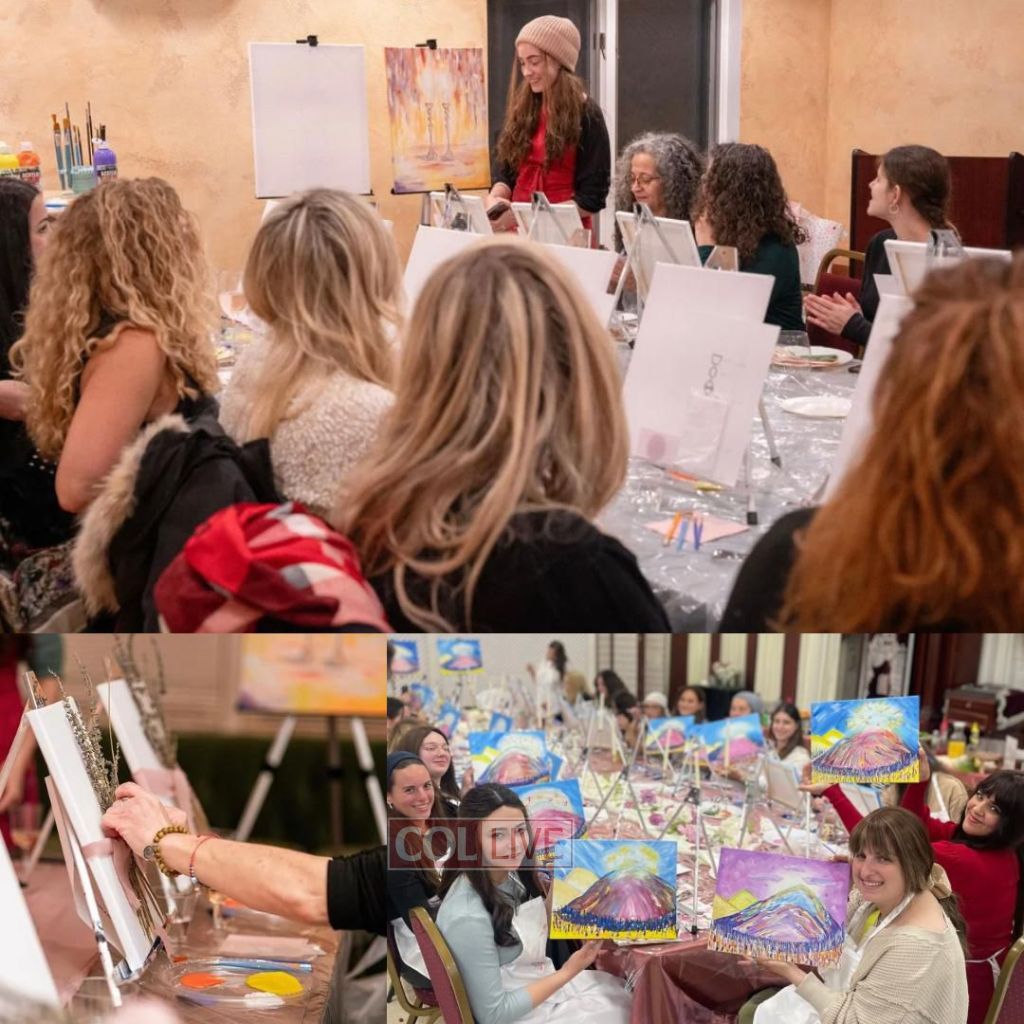
The summer program is divided into four camps spanning six weeks. Most children arrive with their mothers or counselors directly from Ukraine and return afterward, while some are from refugee families living in Europe who want their children to experience a Jewish-Ukrainian environment. This helps remind them of the childhood that was disrupted by the war.
The camps, run by Chabad emissaries, offer a mix of challenging and experiential activities alongside Jewish education and tradition. A senior official from the Ukrainian Jewish community states, “Our camp provides a safe haven and enriching experiences for children and families, focusing on joy and mutual support. We’re confident that the weeks spent here will help the children process their difficult experiences and prepare for a positive start to the next school year.”
This initiative represents a beacon of hope and community for Jewish families affected by the ongoing conflict in Ukraine, offering a temporary escape and a chance to reconnect with their heritage and fellow community members.