
The Wednesday prior to school openings, educators from all over the greater NYC area and its surrounds (ranging from Philadelphia to Connecticut) participated in a Joint Orientation & Networking session of the Chabad Early Childhood Education (CECE) Network, a project of The Shluchim Office.
The event’s purpose was to provide inspiration and ideas for the upcoming year in an environment full of opportunities for the educators to share and learn from each other.
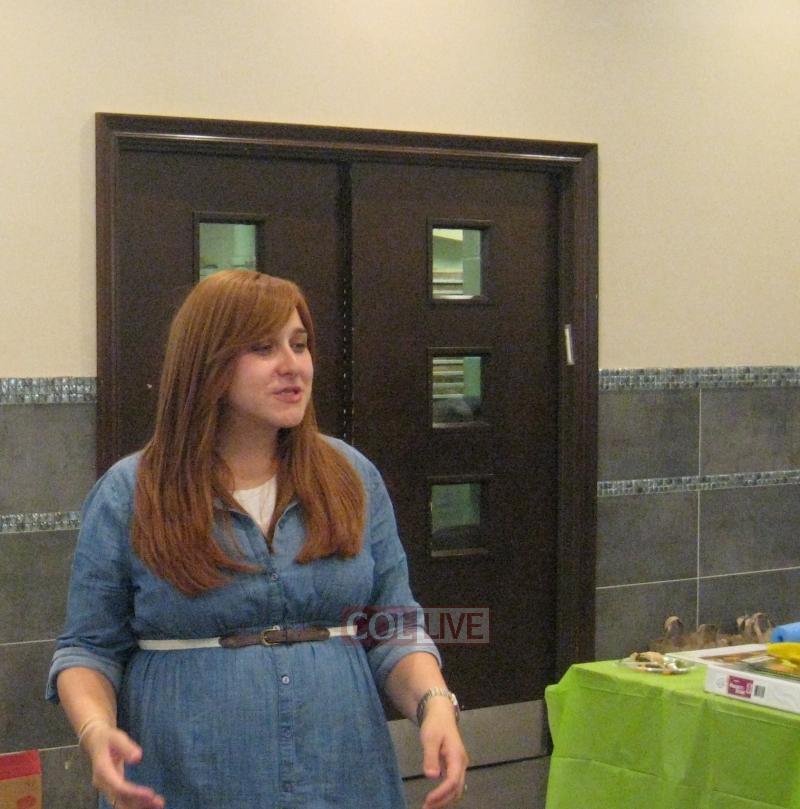
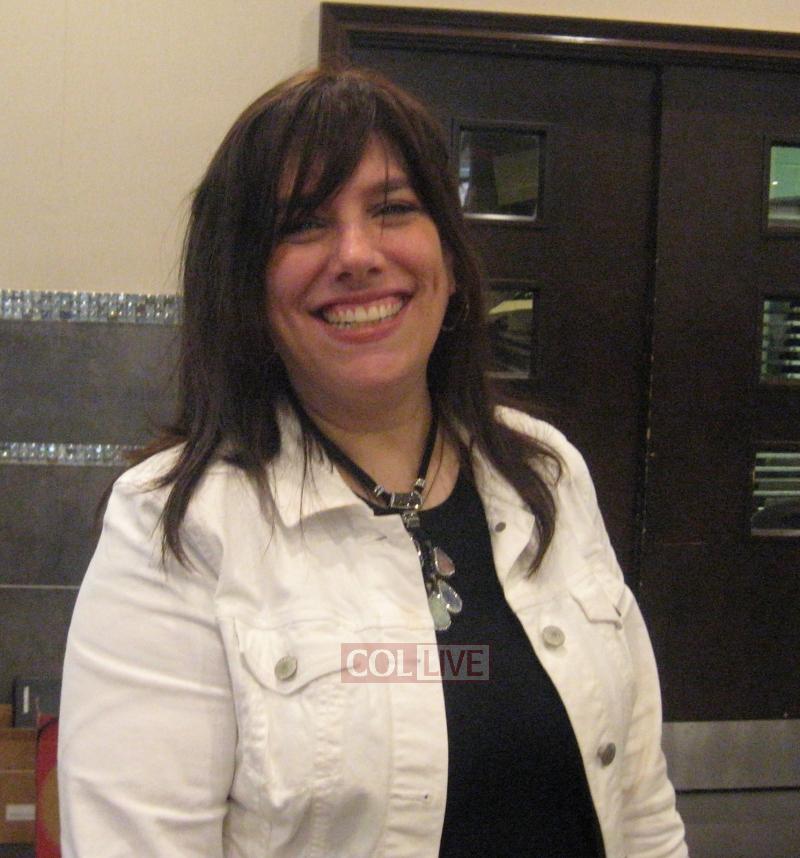
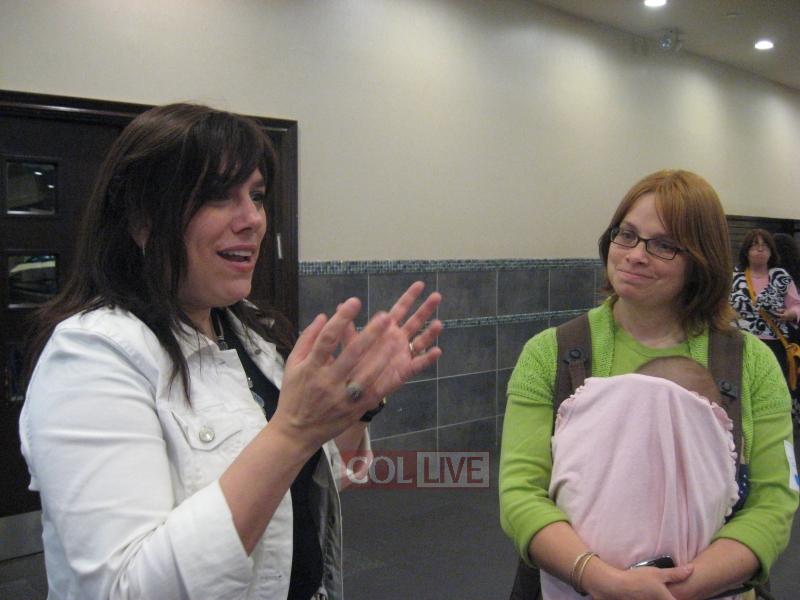
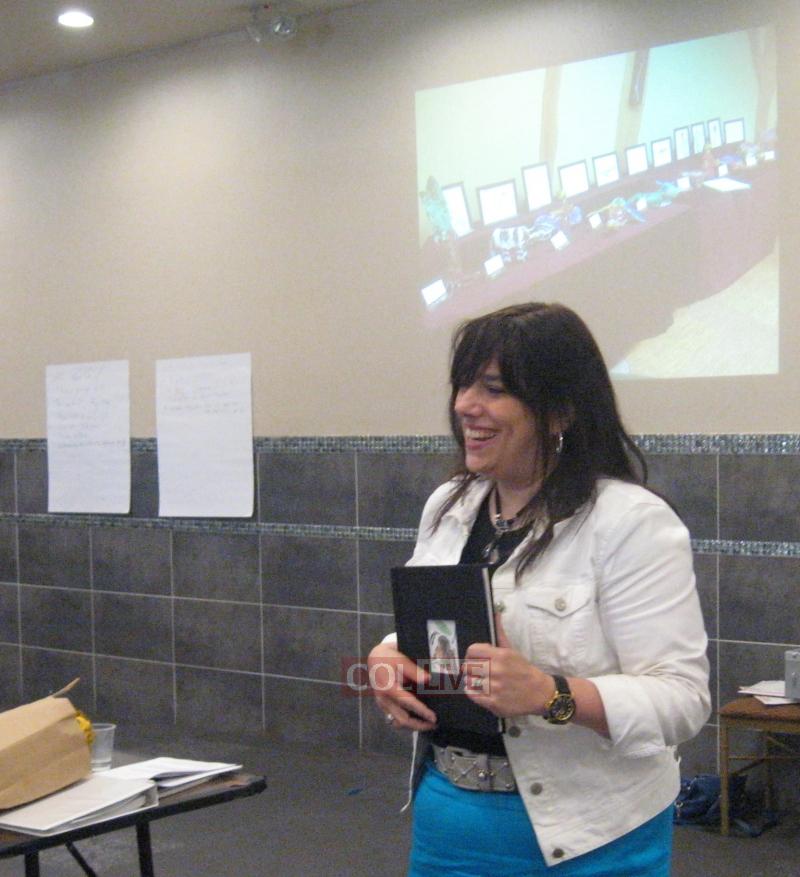
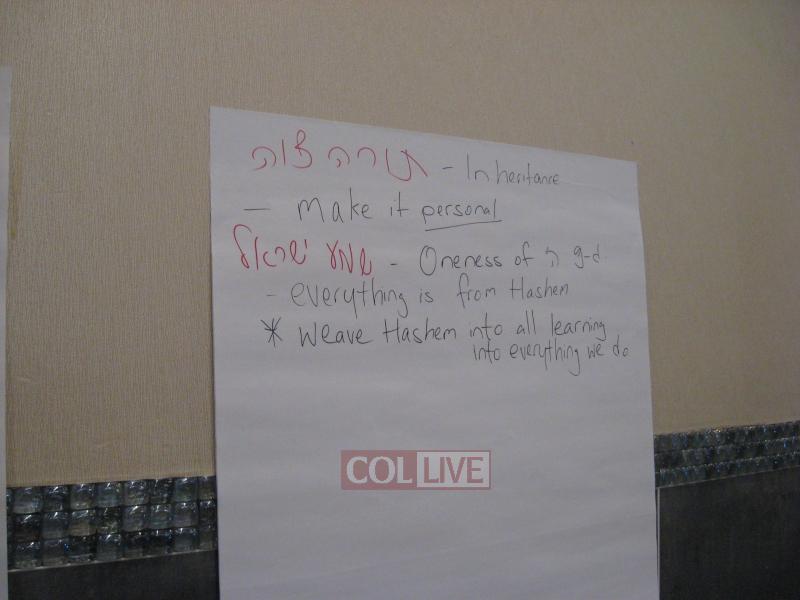
Mrs. Malkie Herson, a popular voice in the world of early childhood education, and director of Zimmer Preschool in Basking Ridge, NJ, shared inspiration from the principles of the 12 Pesukim. Each possuk, a wealth of inspiration and guidance with real-life application, was explored.
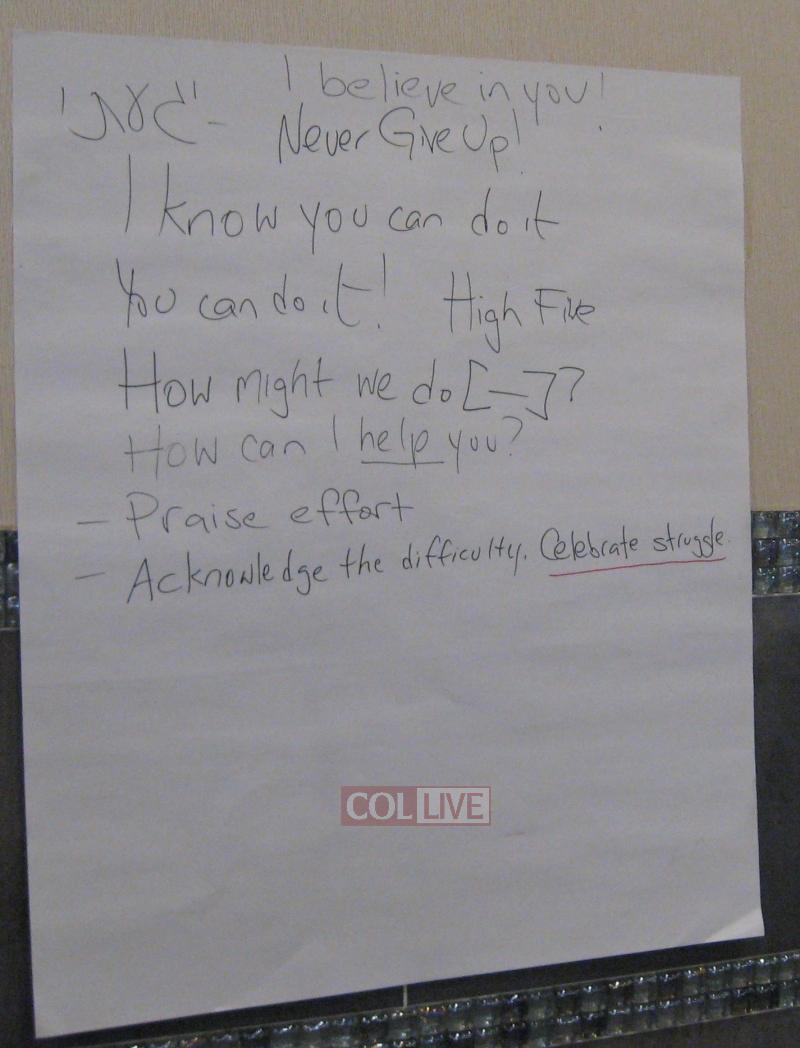
Then, the group discussed the implication these “truths” have for us as educators (teachers and parents). Mrs. Herson spoke about how they guide our thought process about our students, how to set up our teaching so that these ideals permeate the children’s school experience, and how to model these Chasidic concepts. She showed us examples of work product from her school that helped us visualize how a classroom run on these values looks.
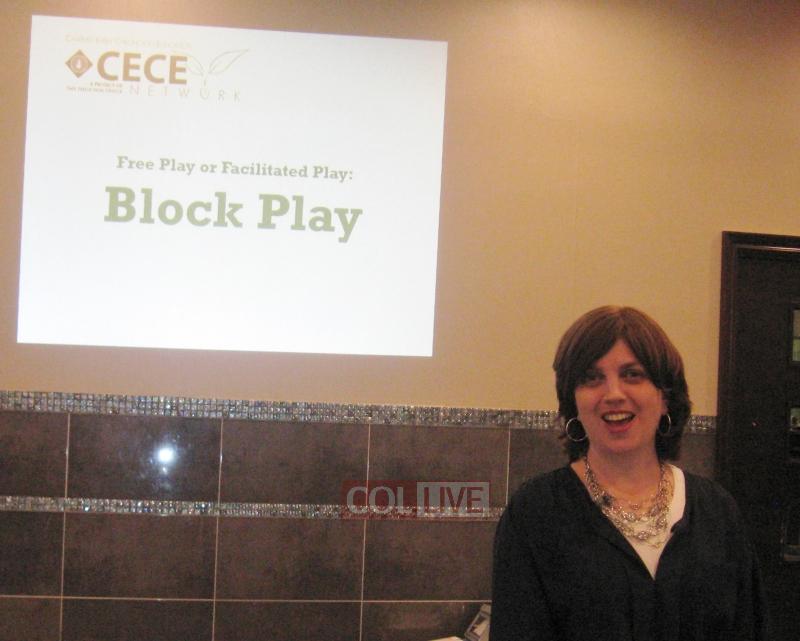
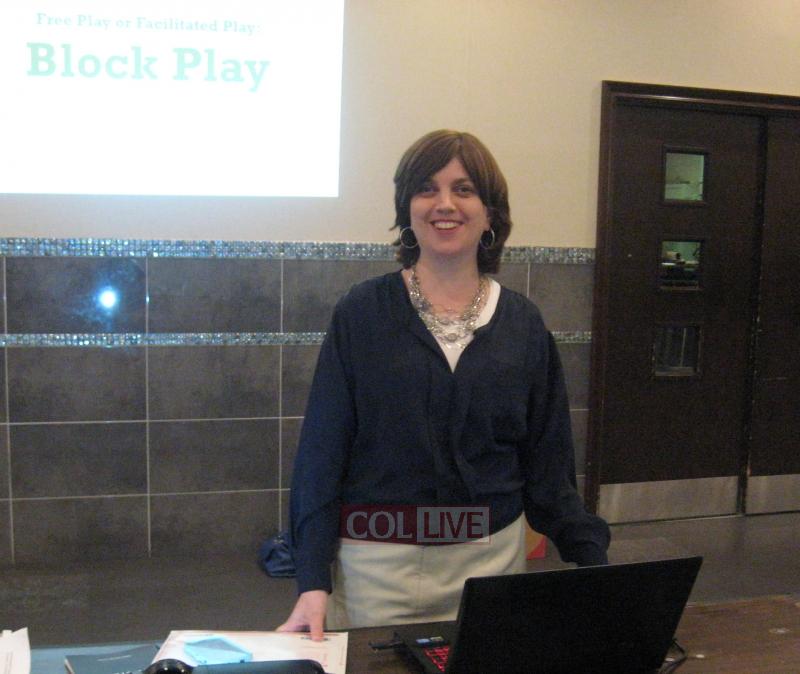
Mrs. Devora Krasnianski, director of the CECE Network, discussed the teacher’s role in facilitated play, focusing mostly on Block Play. When the teacher knows the possibilities of learning that can happen in Block Play (social, negotiating, literacy, physics, maths, problem solving, divergent thinking, and so many other areas of development!), she can set up the environment and facilitate the play so that real learning and development can happen. The area can be laid out to inspire building, block play can be incorporated in story time, children can be provided with clipboards to ‘plan’ their structures and more. While the activity is ongoing, the teacher can be present to ask questions, teach new words, and provide newideasto further develop their learning and growth.
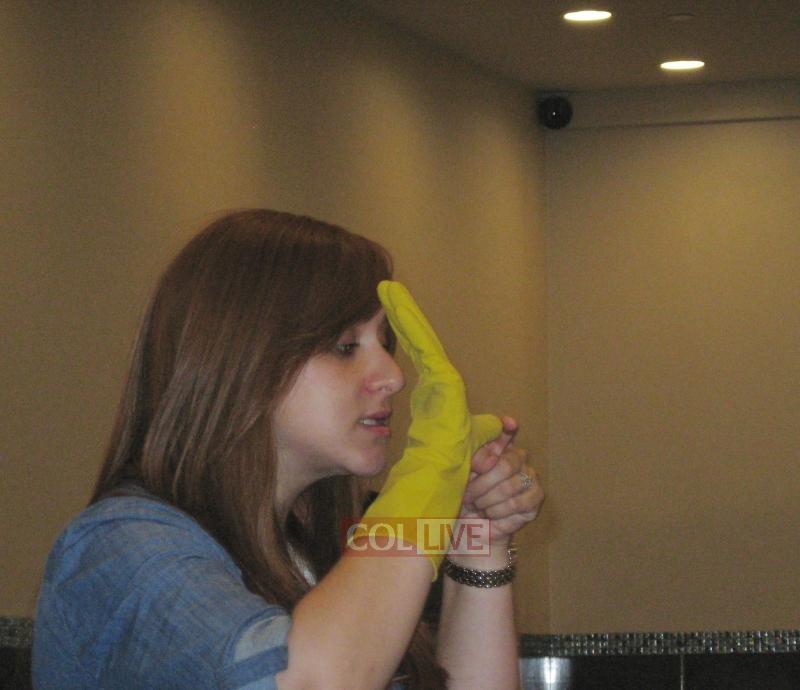
Mrs. Chanie Wilschanski, an educational consultant, spoke about the value of smooth transitions. She highlighted how much effective planning can minimalize behavioral challenges.
She shared practical strategies and a repertoire of skills that teachers can implement in the classroom. Some of the strategies were songs, visual environmental props, personal schedules and positioning of teachers during a transition. All these tips can create smoother transitions which can lead a more effectively run classroom.
Throughout the day, teachers from various schools had opportunities to network and share ideas, challenges and solutions. These relationships will hopefully continue throughout the year, so that all schools in the region can learn and gain from each other’s experiences.
The Chabad Early Childhood Education (CECE) Network was established five years ago by The Shluchim Office to serve as a central support and resource network for those who run or direct a Chabad preschool. Its goal is to help directors make their local Chabad preschool the preeminent choice within their community. Directed by Mrs. Devora Krasnianski, its goal is to help preschool directors make their local Chabad preschool the preeminent choice within their community. Dr. and Mrs. Joseph Walder of Skokie, IL are the dedicated visionaries who support this critical institution.
The CECE Network provides a framework for deeper thinking about how an excellent preschool can create long-lasting connections with Judaism. Among its many services, the CECE Network provides an online forum, annual and regional conferences, a peer review system, online workshops, conference calls, seminars, articles, and guided online discussion groups.
For more info, visit shluchim.org/CECE



Job well done. CECE is an excellent resource for Chabad Preschools.
were so proud of u!
great educator
another job well done by shluchim office.
done with class and done quiaetly
Thank you Rabbi Gedalya Shemtov of the shluchim office for facilitating this and all of Devora’s good work!
Your like the energizer bunny:)